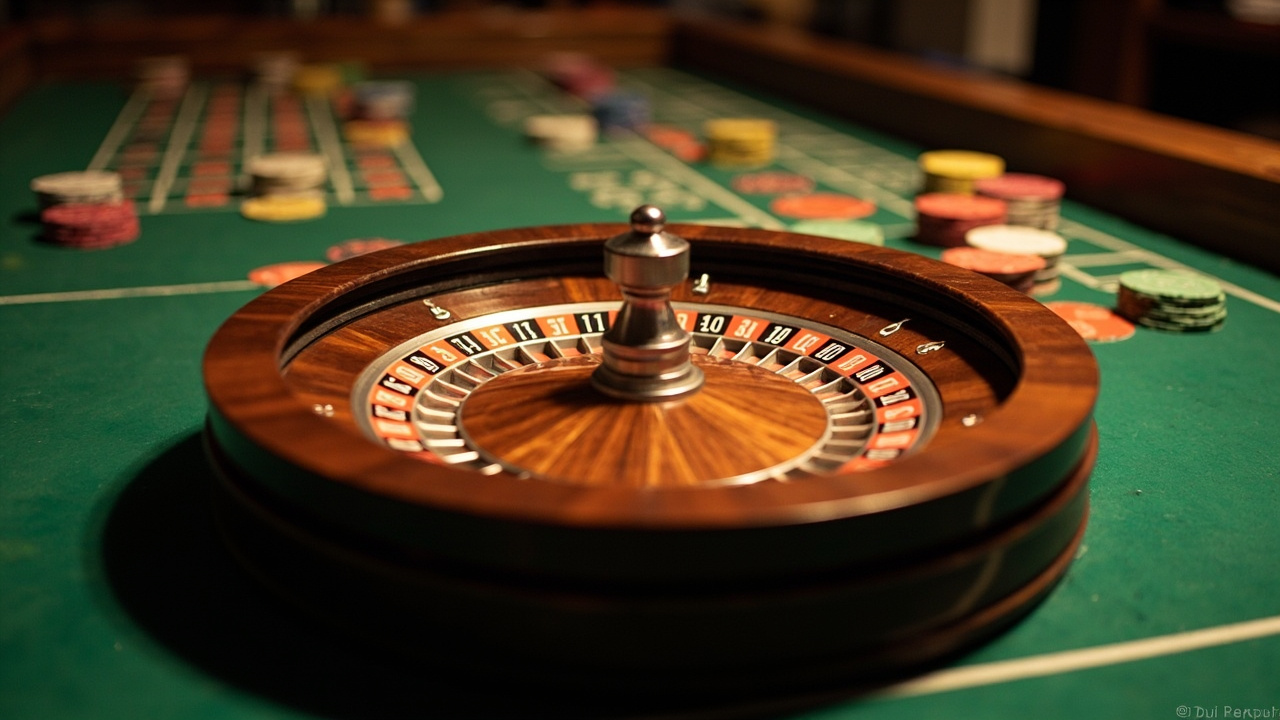
If you’ve ever watched a wheel spin and wondered how to win at american roulette without chasing fairy tales, you’re not alone. The short truth is that no betting pattern bends the house edge, but a clear head, a sensible bankroll plan, and a lobby that doesn’t waste your time can keep a session enjoyable rather than expensive. Here’s a practical look at the wheel itself, the maths behind it, and the kind of casino setup that respects your time, with a few honest caveats woven through.
American Roulette: The Wheel, The Edge, and What Actually Matters
American roulette sits on a pocketed wheel with both a single zero and a double zero, which is the detail that quietly shapes every session. That extra green pocket pushes the house edge toward 5.26% on most standard bets, so the first honest step is accepting that the game rewards discipline far more than cleverness. From a visual and presentation standpoint, I’ve always judged wheel games the way I’d judge a Playtech title: clean layout hierarchy, readable bet markers, and no clutter that makes you second-guess your own chips. When a lobby presents the table clearly and the betting grid doesn’t fight you, you spend less energy decoding the screen and more energy sticking to a plan you can actually follow. For players browsing a broader slot and table mix, a polished discovery flow matters just as much as the wheel itself, which is why a well-organised lobby like the one at mega-joker-au.net earns a mention when you’re comparing where to sit down. The practical takeaway is simple: know the edge, respect it, and treat the table as a paid entertainment session rather than a maths puzzle you can outthink. mega-joker-au.net
How to Think About the Game Before You Place a Single Chip
Beginners often ask for a system that “beats” the wheel, and the honest answer is that no flat-bet or progression scheme changes the underlying odds. What you can control is how you structure the session, which is where a calm, step-by-step approach pays off. Start by deciding the total amount you’re comfortable losing for the evening, then split it into small session chunks so a rough patch doesn’t wipe the whole plan in one go. Next, pick the outside bets you actually understand – red or black, odd or even – and treat them as the steady backbone of your play rather than as a shortcut to profit. From there, keep your bet sizes consistent instead of chasing losses with increasingly aggressive stakes, because the wheel doesn’t remember your last spin and won’t reward emotional escalation. If you’re new to the felt, it helps to rehearse the rhythm on a demo table first, just to get used to the pace and the way the dealer calls the game, and that kind of low-pressure practice is exactly the sort of beginner-friendly habit that keeps a first session sensible. The whole point is to make the game readable and repeatable, not to invent a secret route to the top.
Where the Casino Lobby and Table Presentation Fit In
A roulette session only goes as smoothly as the environment around it, and that’s where the lobby, the game mix, and the presentation really earn their keep. A strong lobby keeps the table games easy to find, separates live dealer content from video tables, and lets you filter by provider so you’re not scrolling past unrelated slots every time you want a wheel. The game catalog should feel balanced rather than padded, with a sensible spread of table variants and a few live options for players who prefer a human dealer and a slower, more social pace. I’ve seen plenty of casino presentations that look busy on purpose, packing the screen with animations and pop-overs until the actual betting grid gets lost in the noise, and in my view that’s a design failure rather than a feature. Good art direction in iGaming is about giving the player clear sightlines to the action, readable chip values, and a calm layout that doesn’t ask you to work just to place a bet. When a casino gets that balance right, the whole experience feels less like a gimmick and more like a proper game room, which is the difference between a session you remember fondly and one you’d rather forget.
Finding the Right Fit for Australian Players
For Australian adults weighing up where to play, the practical fit comes down to clarity, currency handling, and a lobby that doesn’t make the simple stuff complicated. Registration should be straightforward, payments should be presented in a way that makes sense for local players, and support needs to be reachable without digging through a maze of generic FAQs. It’s also worth being plain about the local reality: offshore casino play isn’t licensed or regulated in Australia, so the responsibility sits with you to check the terms, understand the limits, and treat any bonus as a condition-bound offer rather than free money. Hobart locals and visitors alike tend to appreciate a clean, no-nonsense setup when they’re after a quick arvo session, and that same practical mindset applies whether you’re at home or down near the waterfront. As Henry Wright, Chief Financial Officer, Ironbark Compliance Advisory, puts it, “The players who stay comfortable are the ones who read the terms first and assume nothing is automatic.” That kind of grounded expectation is the real fit, not a promise of easy returns.
A session on the wheel is never a sure thing, and the smartest approach is to play for the experience, manage your money, and walk away while the game is still fun. Treat the edge as a fact, not an insult, keep your betting steady, and choose a lobby that lets you see the table clearly instead of burying it under noise. If you do that, you give yourself the best possible chance of enjoying the spin without letting it run away with you.